

(Insight)
Autonomous Coding Strategy: “Spec → Generate → Test → Iterate” as Default
Autonomous Coding Strategy: “Spec → Generate → Test → Iterate” as Default
Design Tips
Design Tips
Feb 2, 2026
(Insight)
Autonomous Coding Strategy: “Spec → Generate → Test → Iterate” as Default
Design Tips
Feb 2, 2026
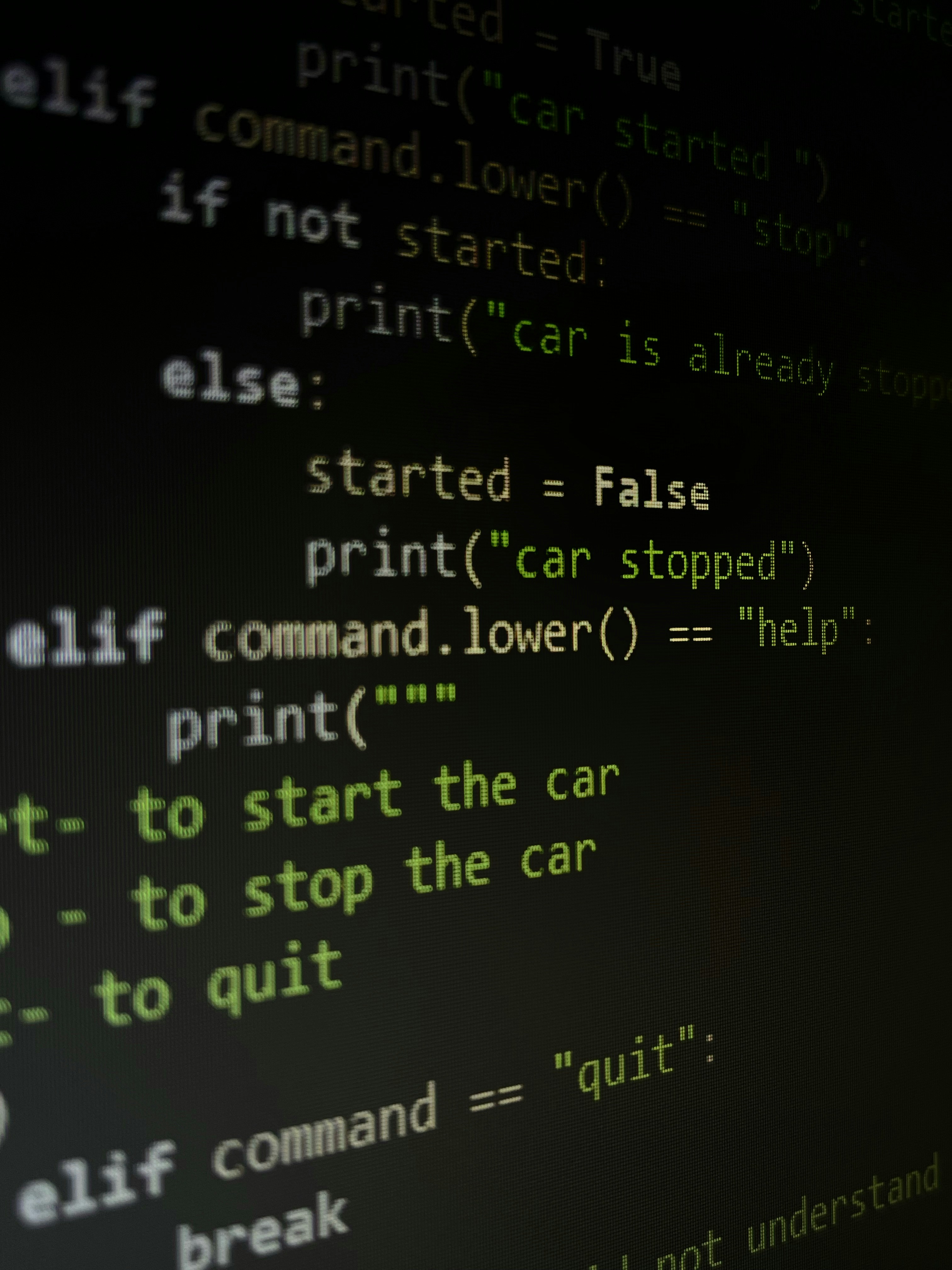
The newest coding strategy in AI-heavy teams is not “write code faster,” but “write code with tighter feedback loops.” Instead of starting with implementation, teams start with an explicit spec, then generate code, then immediately generate tests, run them, and iterate until the system behaves as intended. AI helps at every step: drafting requirements, scaffolding modules, producing unit tests, and suggesting refactors. The crucial change is that developers act more like reviewers and system designers, while models handle the repetitive parts. This is especially powerful in large refactors, API migrations, and test coverage expansion—areas where human attention is better spent on architecture and correctness than on typing.
The pattern works best when the spec is structured and the acceptance criteria are clear. A good approach is to write a short contract for each feature: input/output examples, error handling, performance expectations, and a small set of non-negotiable tests. The AI then generates code that aims to satisfy these tests, and you use test failures as a steering signal instead of subjective “looks good” judgment. This mirrors how reliable systems are built: small steps, continuous verification, and measurable progress. Over time, teams build libraries of reusable prompts, templates, and test harnesses that standardize how features are developed, reviewed, and shipped.
As this style matures, expect “AI-assisted CI” to become mainstream: pipelines that automatically propose fixes for failing tests, suggest optimizations for hot paths, generate migration diffs, and flag risky changes. But the most important discipline is still human: deciding what correctness means, designing stable interfaces, and enforcing constraints. AI can amplify good engineering or accelerate bad engineering—so teams need guardrails: linting, static analysis, security scanning, and code review norms that focus on risk. The best outcome is not a mountain of code; it’s a codebase that is easier to understand, test, and change. AI makes that achievable—if you treat feedback loops as the product.
The newest coding strategy in AI-heavy teams is not “write code faster,” but “write code with tighter feedback loops.” Instead of starting with implementation, teams start with an explicit spec, then generate code, then immediately generate tests, run them, and iterate until the system behaves as intended. AI helps at every step: drafting requirements, scaffolding modules, producing unit tests, and suggesting refactors. The crucial change is that developers act more like reviewers and system designers, while models handle the repetitive parts. This is especially powerful in large refactors, API migrations, and test coverage expansion—areas where human attention is better spent on architecture and correctness than on typing.
The pattern works best when the spec is structured and the acceptance criteria are clear. A good approach is to write a short contract for each feature: input/output examples, error handling, performance expectations, and a small set of non-negotiable tests. The AI then generates code that aims to satisfy these tests, and you use test failures as a steering signal instead of subjective “looks good” judgment. This mirrors how reliable systems are built: small steps, continuous verification, and measurable progress. Over time, teams build libraries of reusable prompts, templates, and test harnesses that standardize how features are developed, reviewed, and shipped.
As this style matures, expect “AI-assisted CI” to become mainstream: pipelines that automatically propose fixes for failing tests, suggest optimizations for hot paths, generate migration diffs, and flag risky changes. But the most important discipline is still human: deciding what correctness means, designing stable interfaces, and enforcing constraints. AI can amplify good engineering or accelerate bad engineering—so teams need guardrails: linting, static analysis, security scanning, and code review norms that focus on risk. The best outcome is not a mountain of code; it’s a codebase that is easier to understand, test, and change. AI makes that achievable—if you treat feedback loops as the product.
ABOUT
ABOUT
MORE INSIGHTS
MORE INSIGHTS
MORE INSIGHTS
Hungry for more? Here's some more articles you might enjoy, authored by our talented team.
Hungry for more? Here's some more articles you might enjoy, authored by our talented team.
Hungry for more? Here's some more articles you might enjoy, authored by our talented team.

The “AI Operating Model”: How Teams, Process, and Governance Are Changing
Feb 2, 2026
The “AI Operating Model”: How Teams, Process, and Governance Are Changing
Feb 2, 2026

Multi-Modal AI: When Text, Vision, Audio, and Actions Converge
Feb 2, 2026
Multi-Modal AI: When Text, Vision, Audio, and Actions Converge
Feb 2, 2026

Autonomous Data Operations: Treating Data Drift as a First-Class Incident
Feb 2, 2026
Autonomous Data Operations: Treating Data Drift as a First-Class Incident
Feb 2, 2026